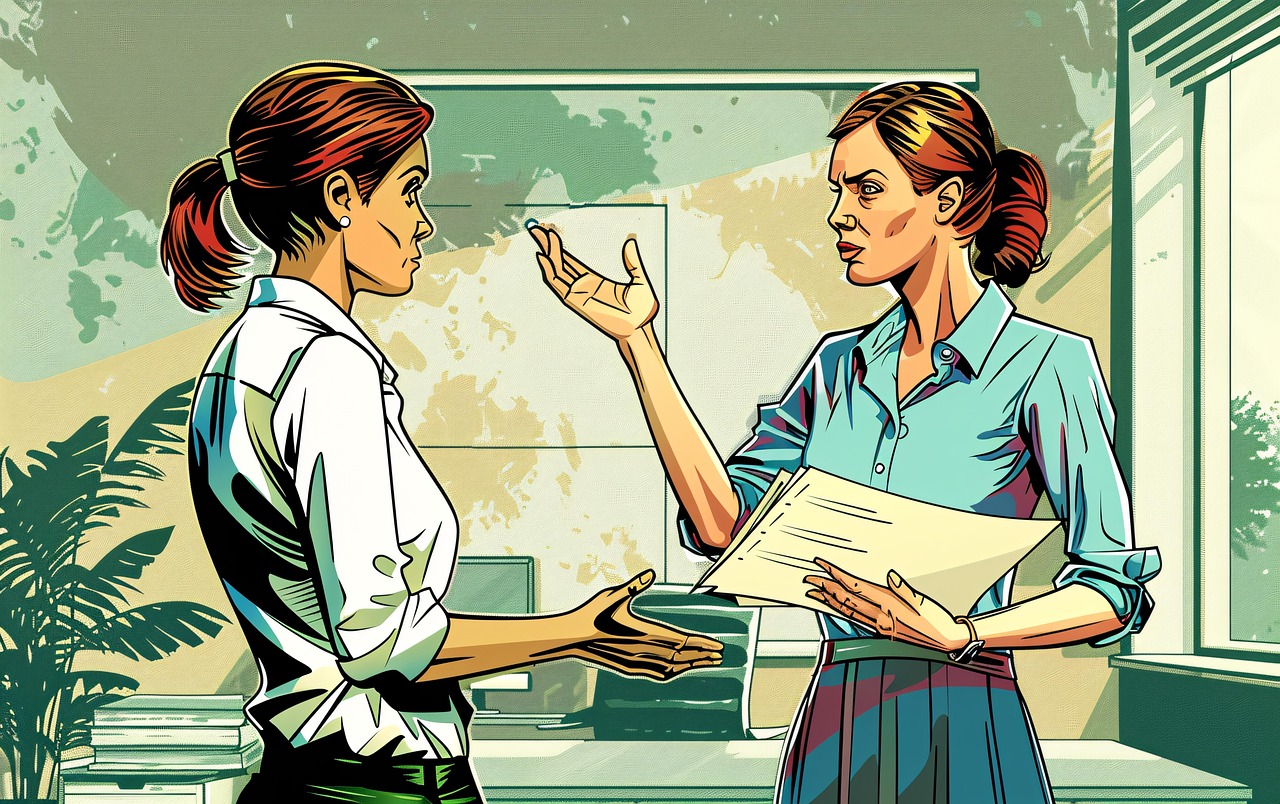

What makes a healthy newsroom? The focus on creativity, collaboration, and the determination to produce strong journalism. But like any healthy team, conflict happens, student workers clash, deadlines are missed, grammatical errors are caught after publication, and sometimes disagreements turn into bigger problems that affect work atmosphere and production.
Cue mediation.
Having a mediation system in place allows for advisors and student leaders to address conflict in a fair, balanced, and organized way. Instead of reacting to situations, this system protects students, support advisors, and keeps the publication moving forward.

Why Every Newsroom Needs It.
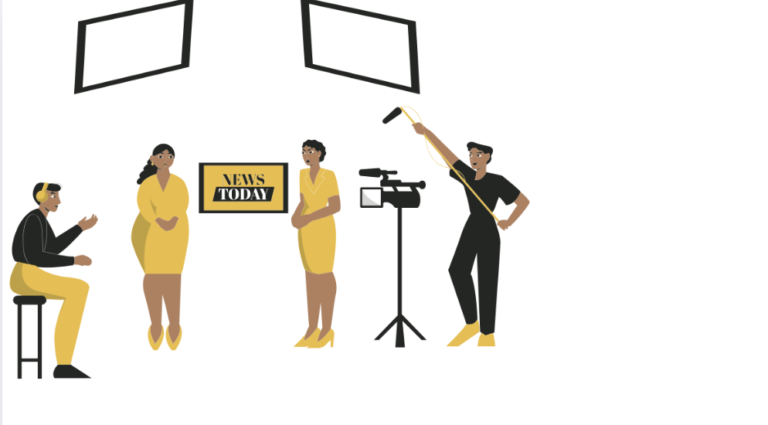
Student Publications is not a typical classroom. Every student newsroom functions like a workplace, taking on real roles with real responsibilities:
- Writers
- Editors
- Photographers
- Designers
- Editors-in-chief
Because of that structure, issues can arise quickly:
- Missed deadlines
- Miscommunication
- Unbalanced workloads
- Conflicts between editors and staff
- Students not completing assigned work
- Personality or leadership disputes
Small issues that are not addressed systematically can snowball and damage the entire newsroom. So, what can having a good mediation system do for you?
- Keeps students from being unfairly removed from roles
- Supports editors who need help managing conflicts
- Protects advisors from having to make rushed decisions
- Teaches students professionalism, communication, and leadership
- Maintains a positive, productive newsroom environment
Step one: Student Leaders
Students are encourage to try to resolve conflict on their own. This builds leadership skills and foster real world dynamics. This is were your Editor-in-Chief, Managing Editor, or section editor comes in:
The Editor-in-Chief or section editor might:
- Clarify expectations
- Hold a one-on-one meeting
- Reassign work temporarily
- Address tone or professionalism issues
If they can’t resolve the issue, it moves up to the advisor.
2. The Advisor (Primary Mediator)
The advisor is the main facilitator of the mediation process.
Their role includes:
- Meeting with the involved students
- Listening to both sides
- Asking questions to understand the conflict
- Setting expectations
- Creating improvement plans
- Documenting the situation
- Deciding whether the issue needs further escalation
Most conflicts stop here, once communication becomes clear.
3. Administration (Final Authority)
Administration only becomes involved when:
- School policies are violated
- There is harassment, bullying, or safety concerns
- A student may need to be removed from a leadership role
- Mediation attempts have repeatedly failed
They do not manage daily staff decisions but serve as a final oversight.
Fair mediation follows and step-by-step process:
Step 1: Identify the Issue
The conflict is brought to the attention of the editor or advisor.
This is documented with:
- What happened
- Who was involved
- When and where it occurred
Step 2: First Conversation
A student leader or advisor meets privately with the student to:
- Explain the concern
- Ask for their perspective
- Clarify expectations
- Offer solutions
This conversation should remain calm, professional, and nonjudgmental.
Step 3: Improvement Period
The student is given a reasonable amount of time to fix the issue, such as:
- Improving communication
- Completing missed assignments
- Adjusting attitude or professionalism
- Meeting deadlines consistently
Support is provided—training, check-ins, or peer help.
Step 4: Second Mediation Meeting
If little improvement occurs, the advisor brings in a neutral third party, such as:
- Another faculty member
- A school counselor
- A co-advisor
This helps ensure fairness and reduces bias.
Step 5: Final Decision
If the situation still does not improve, the advisor may:
- Reassign the student
- Remove them from a leadership role
- Shift them to a different position
- Recommend administrative involvement
The goal is never to punish—it’s to protect the publication and help students grow.
To help, I created a FREE ebook and guide to help advisors navigate this process when conflict happens. With clear steps and consistent expectations, your student publication becomes a healthier, more productive space for everyone involved. Subscribe to my blog for receive your FREE ebook and guide.
How have you resolved conflict in the past?