
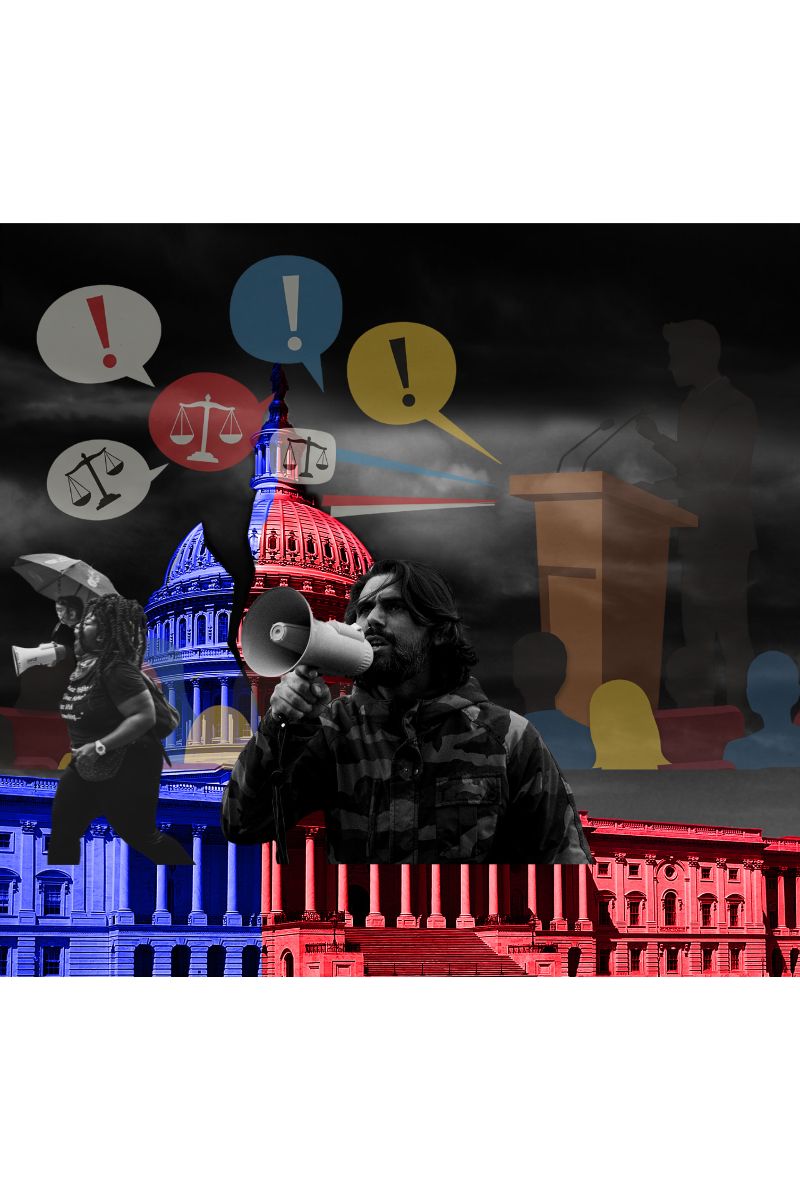

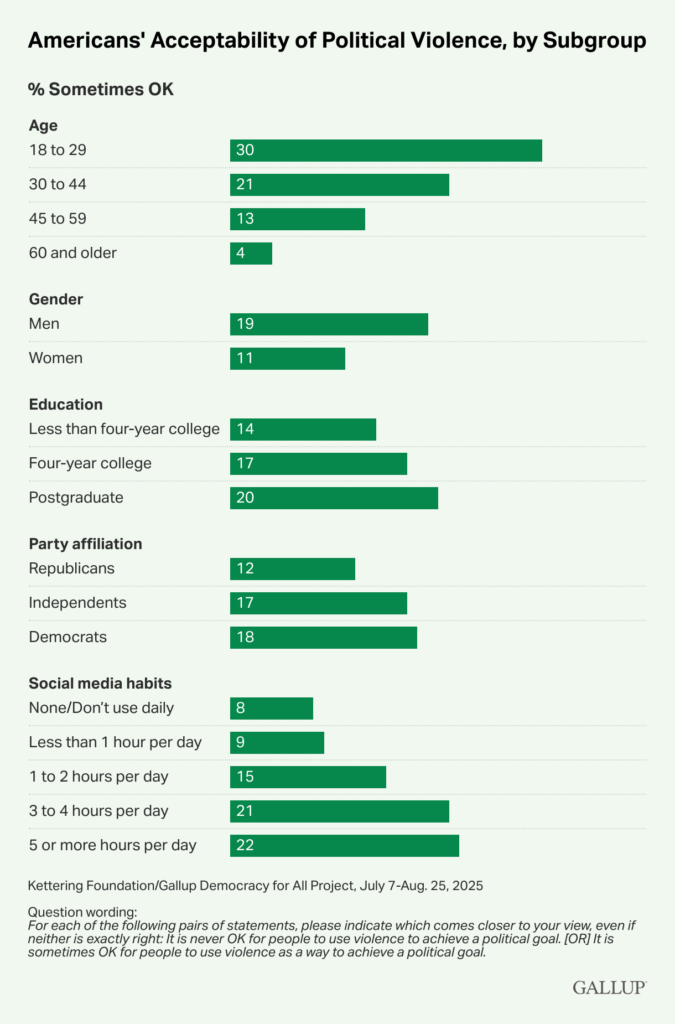
A new 2025 Gallup study on young adults reveals a concerning trend: 16% of Americans ages 18–29 believe it is “sometimes OK” to use political violence to achieve a political goal. Researchers found that this belief is significantly more common among heavy social media users, suggesting that digital environments may play a role in normalizing or amplifying extreme viewpoints. The findings highlight a growing connection between young adults’ political attitudes, their online habits, and deeper issues of loneliness and social disconnection—factors that the study suggests may influence how acceptable political violence seems to this age group.
A Five-Year Look at Democracy and Public Attitudes
The findings come from the Kettering Foundation/Gallup Democracy for All Project, a five-year effort designed to collect Americans’ views on democracy, identity, and civic engagement. Surveys were distributed via web and mail to more than 20,000 adults nationwide, giving researchers an unusually broad and diverse data set.
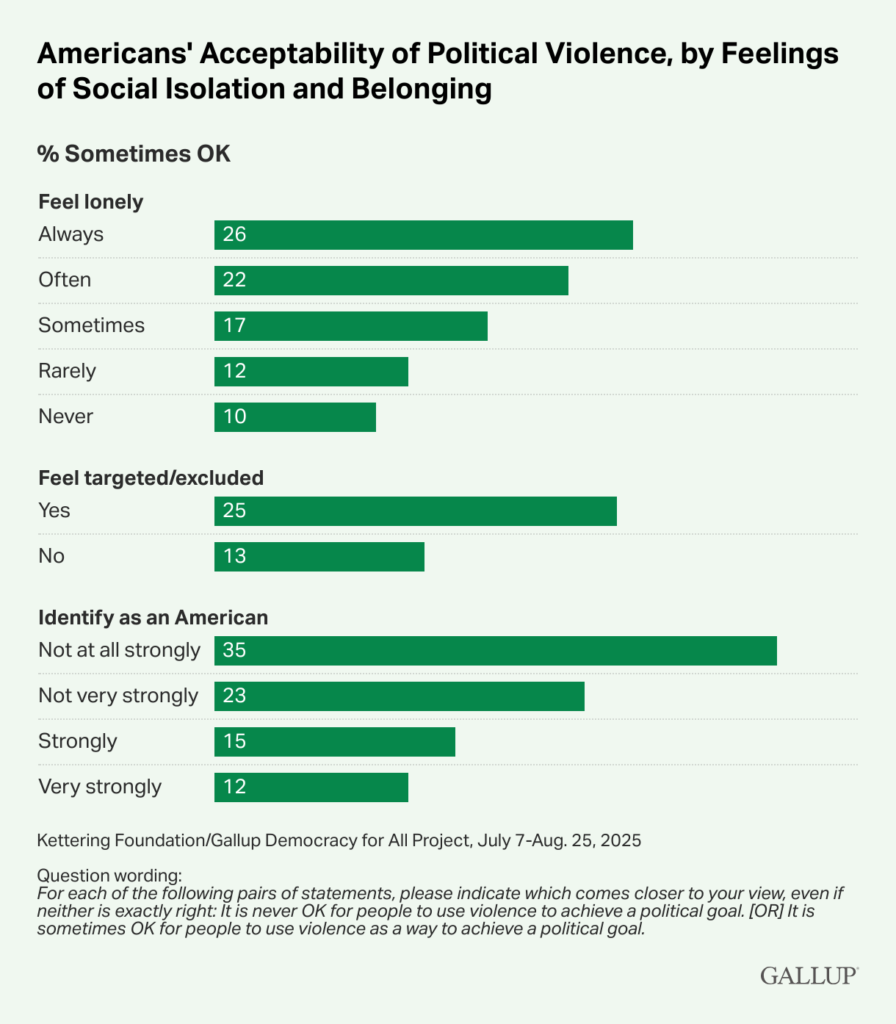
One of the strongest patterns in the report centers on social isolation and belonging. According to Gallup, people who regularly feel lonely, feel targeted or excluded because of a personal characteristic, or feel weak identification with being American are far more likely to say political violence is sometimes justified. In other words, emotional disconnection—not demographics—may be the deeper driver.
“People who regularly feel lonely, feel they or someone in their household has been targeted or excluded in the past year due to a personal characteristic, or do not strongly identify as an American are more likely to say political violence is sometimes OK.”
In other words, isolation may be a stronger predictor than ideology.
Loneliness, Young Men, and Rising Acceptance of Political Violence
The study shines a spotlight on young men as the group most vulnerable to this mindset. Among men ages 18–29 who “always” or “often” feel lonely, 45% say political violence is sometimes acceptable—a striking and troubling percentage. Other groups show elevated levels as well, though significantly lower:
- 25% of women ages 18–29 who always/often feel lonely
- 33% of men ages 18–29 who sometimes feel lonely
- 32% of men ages 30–44 who always/often feel lonely
The pattern drops dramatically among older adults. By age 60+, support for political violence is nearly nonexistent, highlighting what may be a generational shift in how political conflict is perceived.
Lastly, the article states that threats of political violence, threats against political officials, and threats against citizens weaken a democracy. The majority of Americans reject political violence; this research shows that social disconnection seems to be the contributing factor to this belief, especially among young men. This points to a larger issue: strengthening democracy requires more than voting, dialogue, or civic education. It also requires addressing loneliness, strengthening community ties, and fostering belonging, especially among younger generations.
What This Means for Democracy
Gallup concludes that threats of political violence—whether toward leaders or everyday citizens—erode the foundation of a healthy democracy. While the majority of Americans continue to reject political violence, the study suggests that loneliness, social disconnection, and weakened community ties play an outsized role in the small but significant group who see violence as acceptable.
As digital spaces become more central to social life for young adults, and as loneliness continues to rise, these attitudes may deepen unless countered by stronger community bonds, support networks, and healthier political engagement.
Want to Explore More Media and Democracy Research?
You can find more articles, resources, and advisor tools on my website here:
👉 Visit the Advisors Toolkit page on Advisors Byline